The James Dean Outfit: What He Actually Wore
The jacket was nylon, not leather. The jeans were Lee, not Levi’s. A close reading of the most copied outfit in American cinema, and how to build it from things you can buy now.
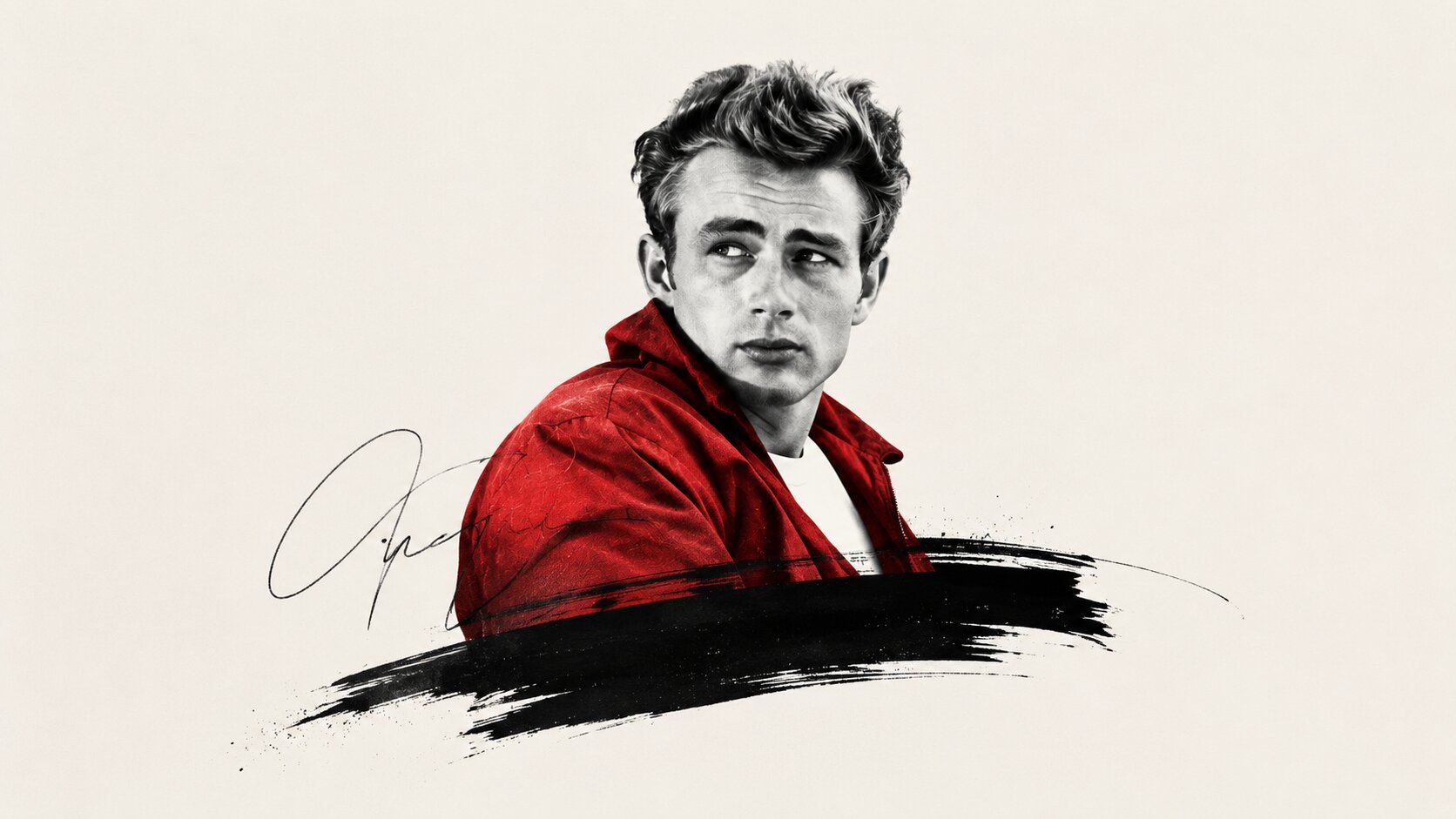
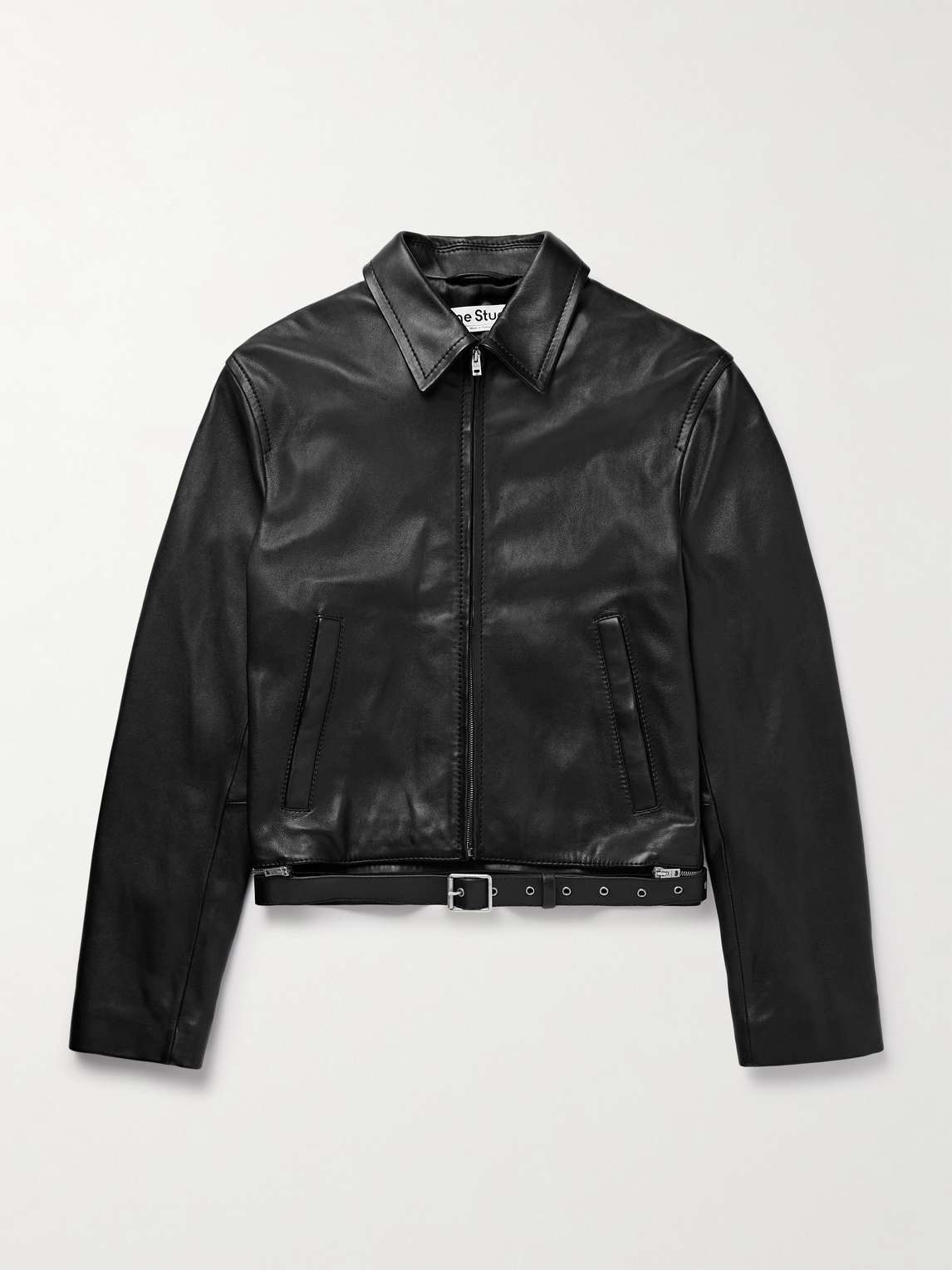
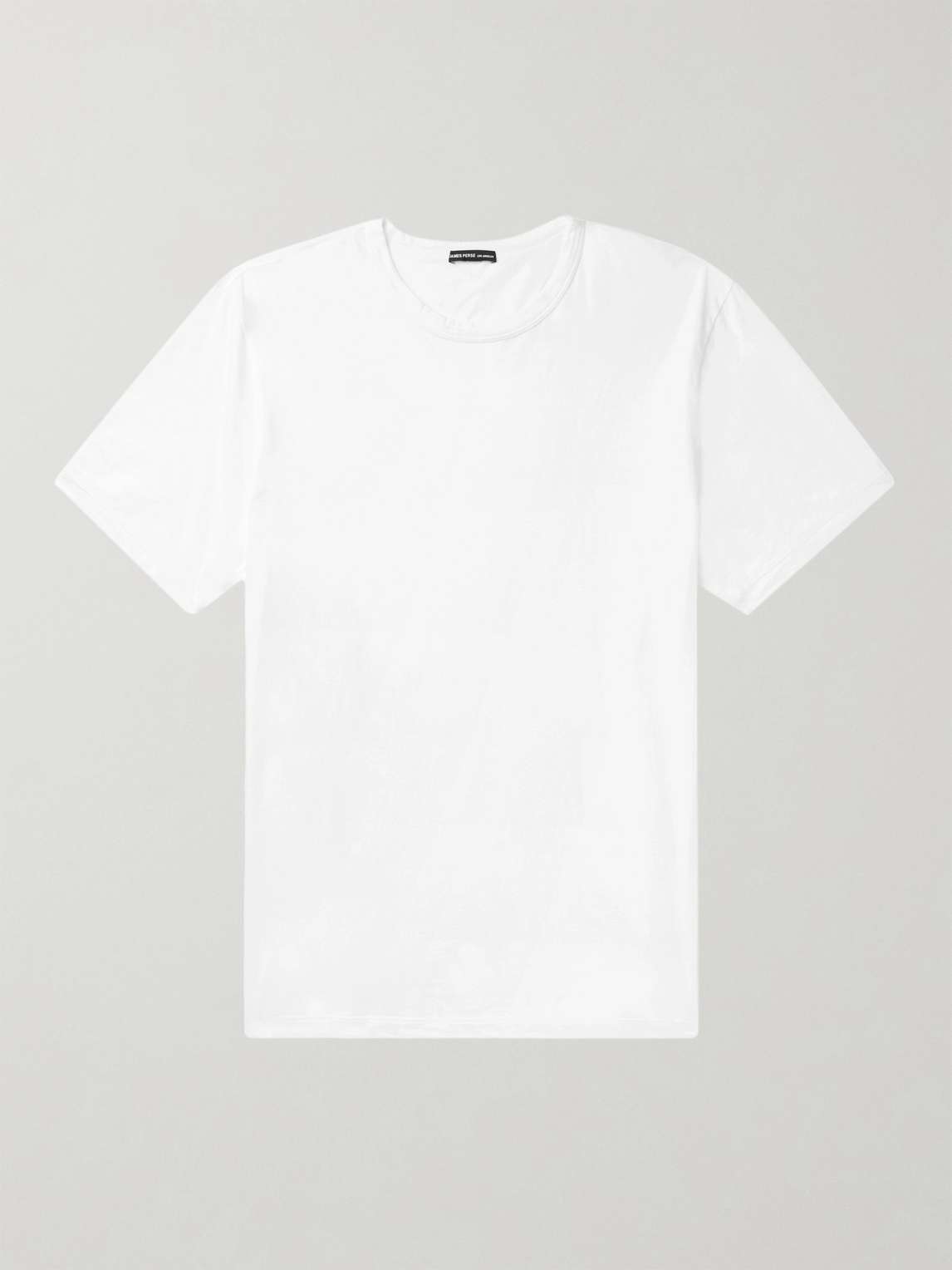
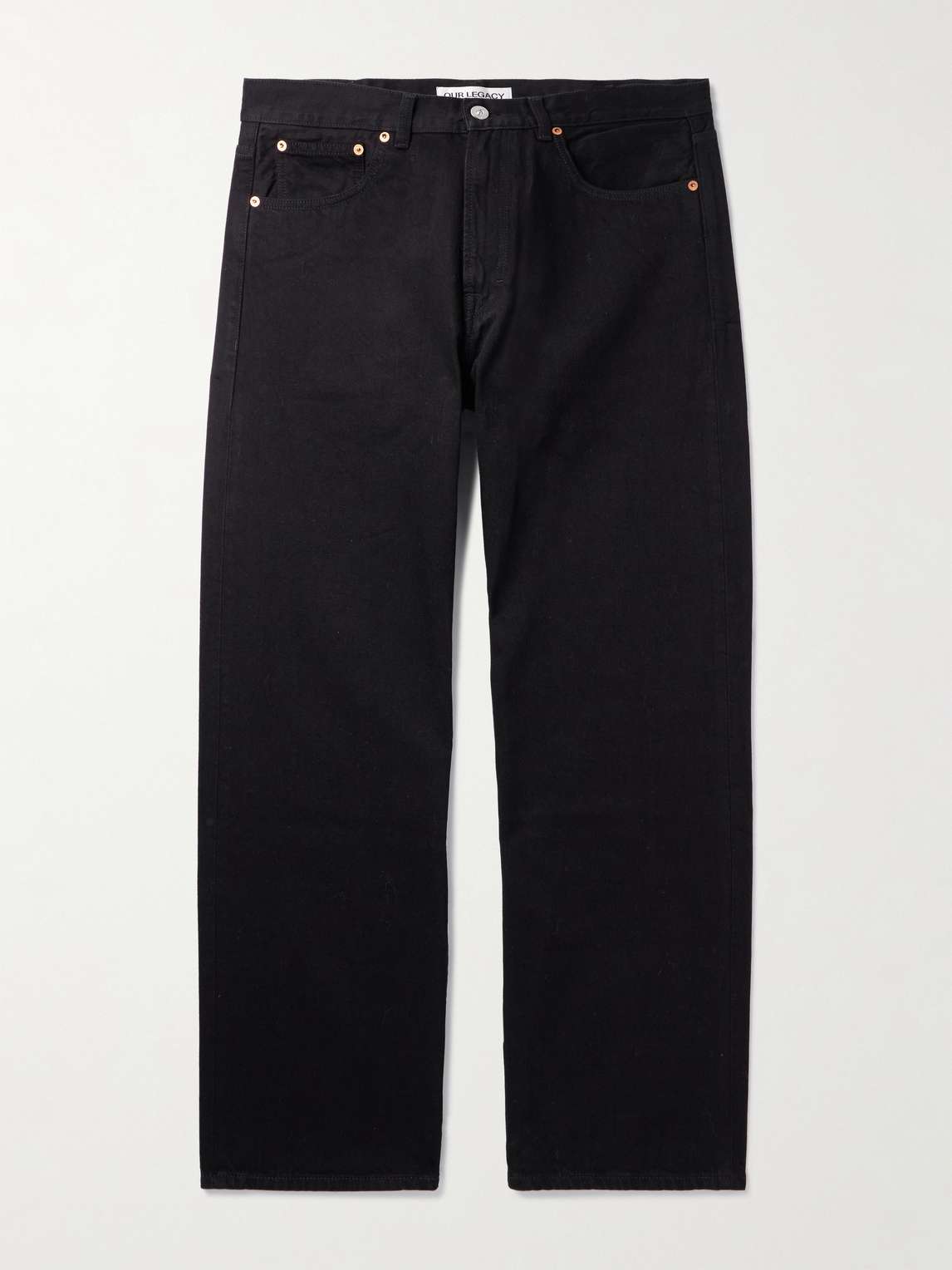
The James Dean outfit is three garments: a plain white T-shirt, straight-leg blue jeans and a red zip-front windbreaker, worn with boots. He wore that combination in Rebel Without a Cause (1955), and it became the template for casual American menswear for the next seventy years.
Almost everything else written about that outfit is repeated from other things written about that outfit. Here is what the sources actually support, and his three outfits rebuilt from things you can buy today.
The James Dean outfit, piece by piece
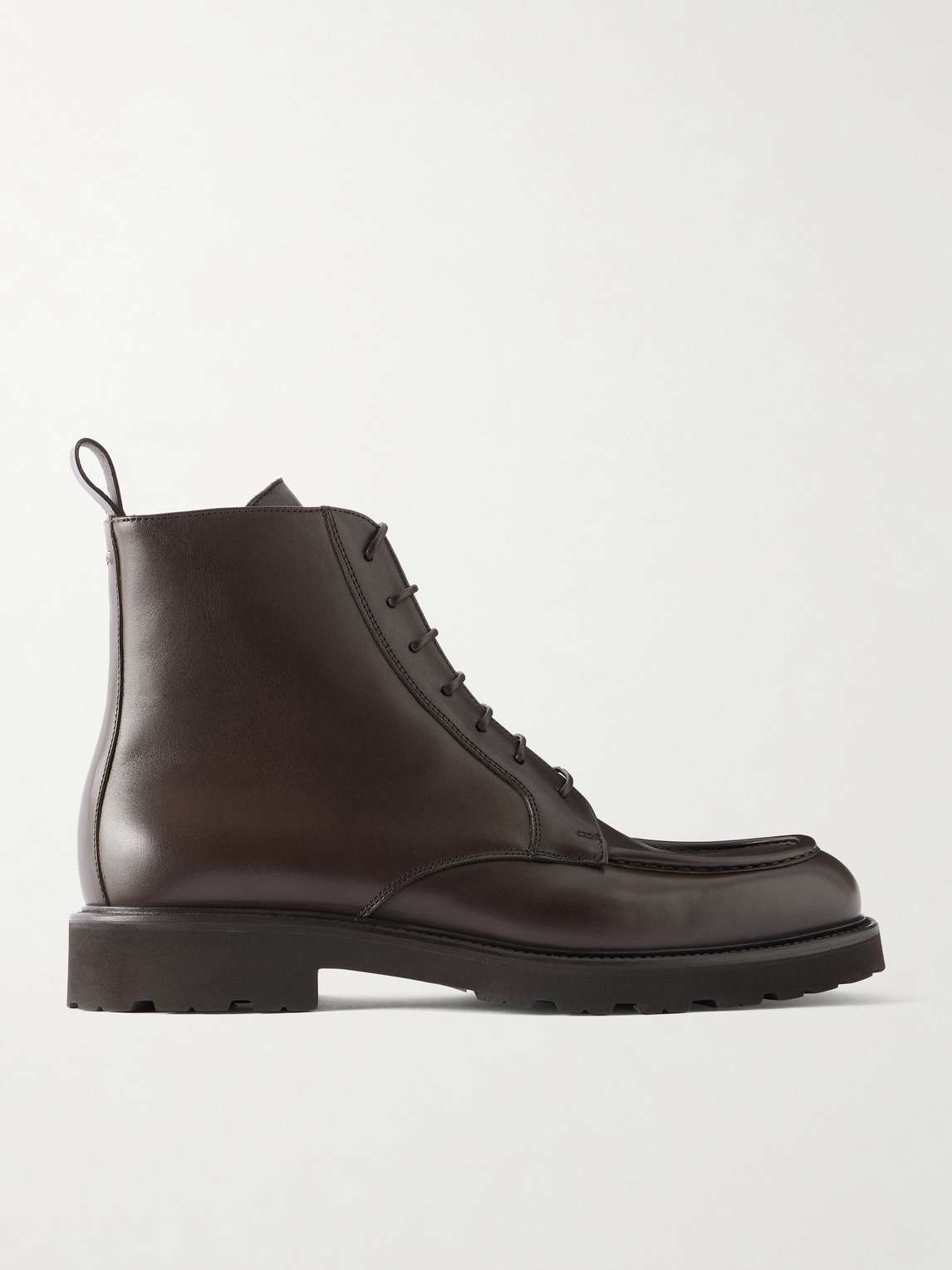
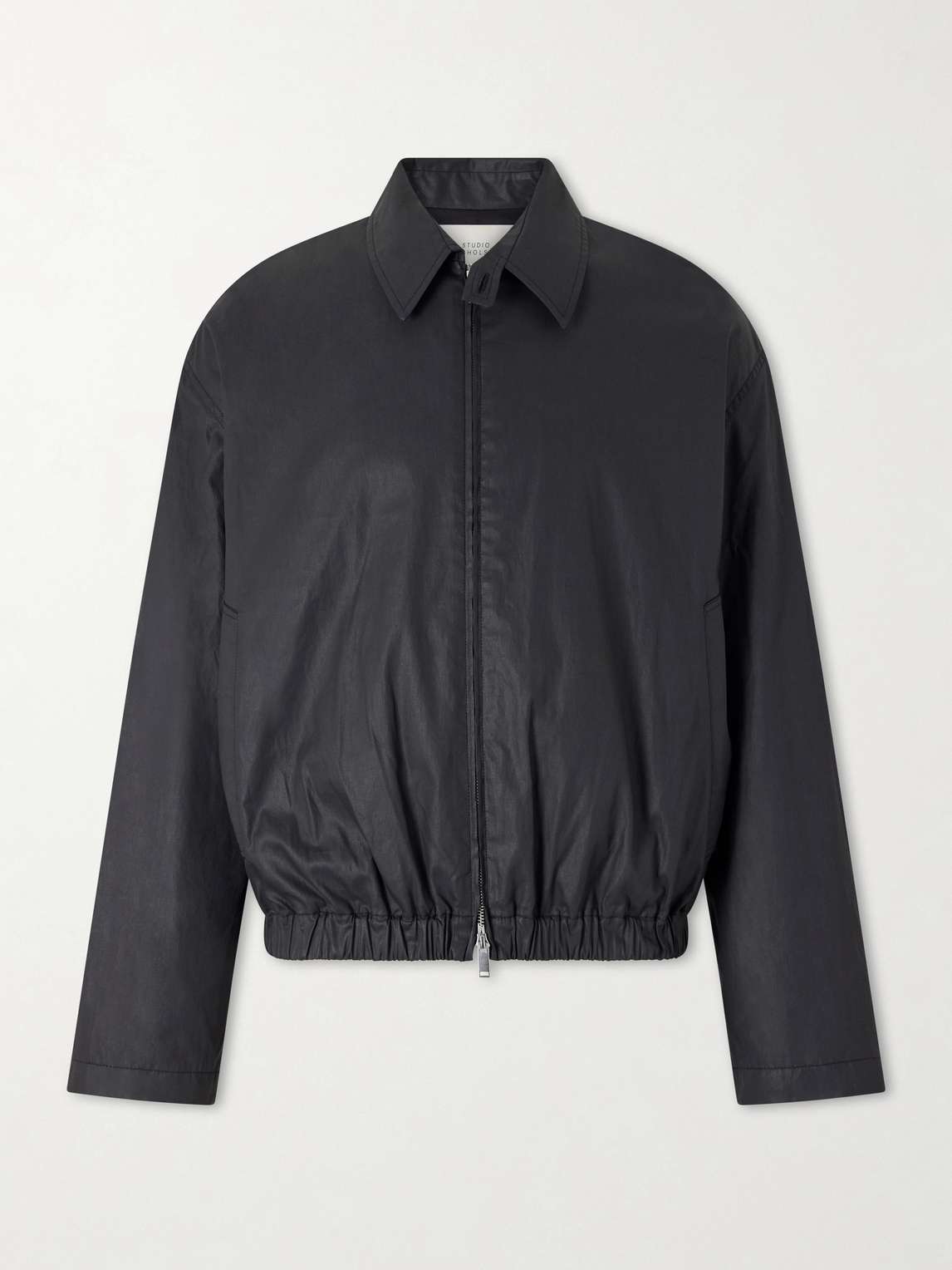
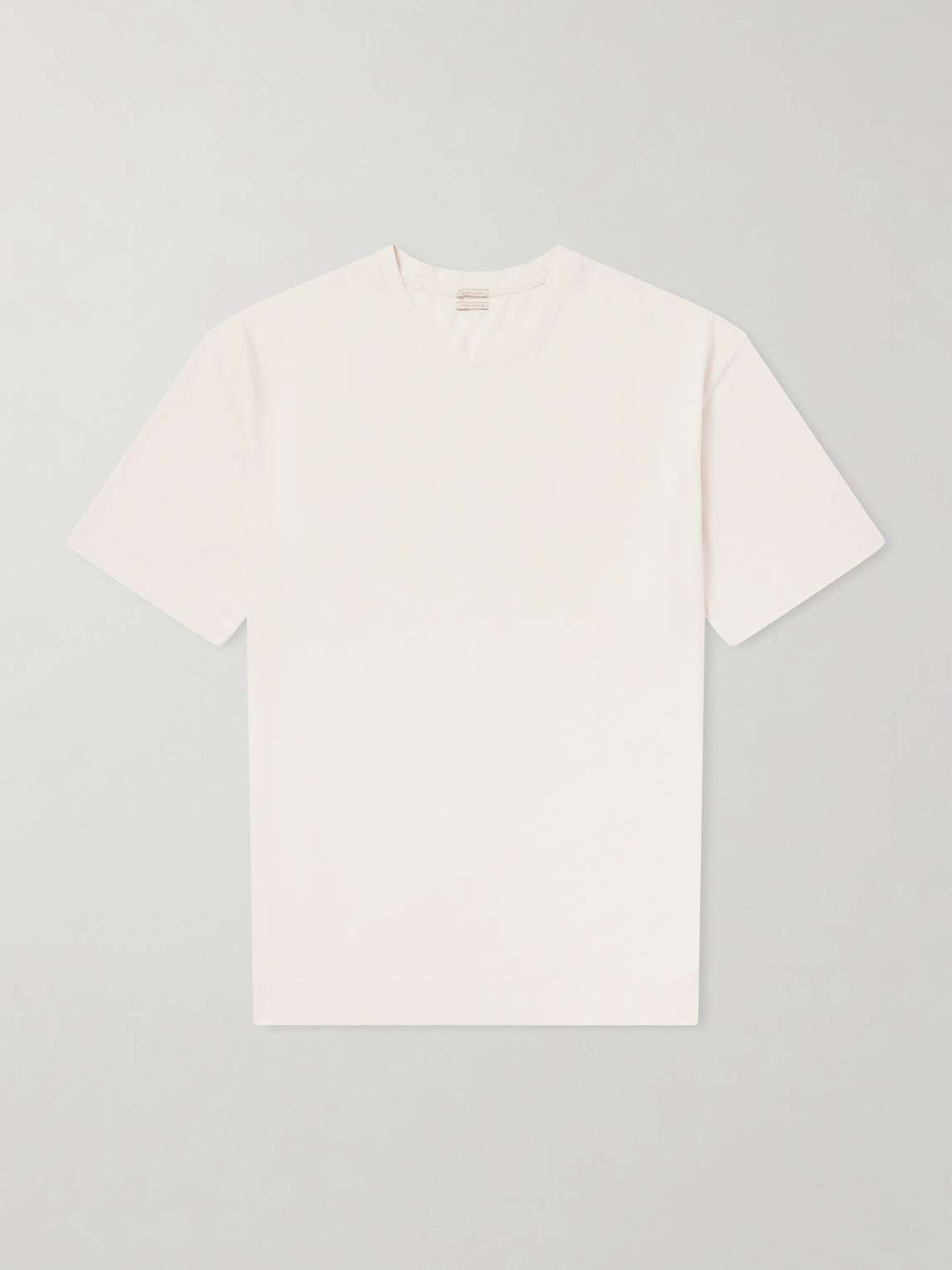
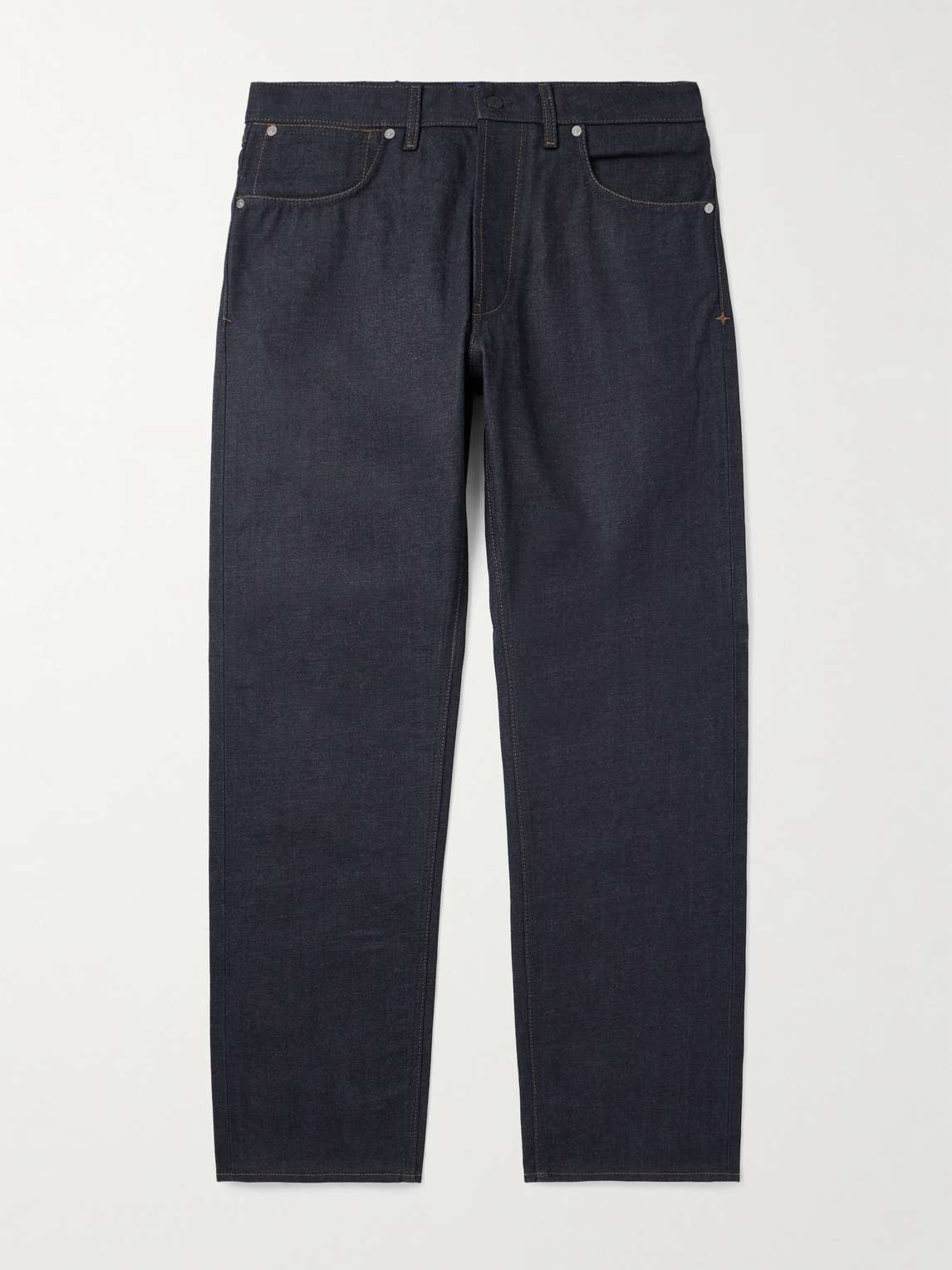
-
The red jacket was leather.
Nylon. A cheap synthetic windbreaker, which is the entire characterisation. Its power is colour and cut, nothing else.
-
Dean wore Levi’s 501s in Rebel.
Lee 101 Riders. The wardrobe department aged more than 400 pairs of Levi’s, for the extras. The star is in Lee, the crowd is in Levi’s.
-
It was a McGregor “Anti-Freeze” windbreaker.
Traceable only to McGregor’s own marketing. No surviving garment or production document supports it.
-
T-shirt sales rose 50% after the film.
Appears in listicles, never in a primary source. There is no retail data behind it.
-
Costume designer Moss Mabry cut the jackets himself.
Mabry said so directly, in a 2005 interview for Live Fast, Die Young: three jackets from a bolt of red nylon. It is the best-evidenced account we have.
-
The film was nearly shot in black and white.
Warner Bros. switched to WarnerColor mid-production after East of Eden succeeded in colour. The most famous red jacket in cinema exists because of a budget reversal.
Why was the jacket red?
Because Warner Bros. changed its mind about the film stock. Rebel was budgeted for black-and-white CinemaScope. When Elia Kazan's East of Eden, also starring Dean, succeeded in colour in March 1955, the studio switched mid-production, forcing reshoots and obliging director Nicholas Ray to design a colour scheme after the fact.
Ray muted the adults and saturated the teenagers. Jim Stark moves from neutral browns into the red jacket; Judy moves from red into soft pink; Plato wears mismatched socks, one black and one red. But the most persuasive reason for red is mechanical rather than symbolic: Jim lends the jacket to Plato, and in the climax Plato is mistaken for him. The garment has to be identifiable at a distance, at night, or the ending does not work.
“Even though the jacket looked simple, it wasn't.”
Who actually made it?
Nobody can prove it. Three incompatible accounts exist for the most famous jacket in American cinema. Mabry's is the strongest: a named first-person account from the credited designer. A second attaches to a jacket auctioned in 2018 at an estimate of $400,000 to $600,000, labelled Bud Berma Originals, with darts hastily sewn into the back to fit Dean's narrow frame. A third, Ray's own, has him taking it off a Red Cross worker.
The auctioned jacket did not sell. Its provenance rests on a 1962 letter from a wardrobe supervisor who died in January 1957, and a rival auction house had already declined the piece citing inconclusive evidence.
What jeans did James Dean wear?
Lee 101 Riders. The 101 got its style number in 1925; the 101-Z, the first zip-fly jean, followed in 1927; the slim-fit Rider arrived in 1950. Dean wore Lee off-screen too. Brando had worn 501s in The Wild One two years earlier, which is part of why the misattribution sticks.
Indigo is the period-correct answer and the harder one to wear, because a colour has to agree with whatever you put above it. Strip the hue out and the problem gets simpler: a grey pair reduces the whole question to contrast.
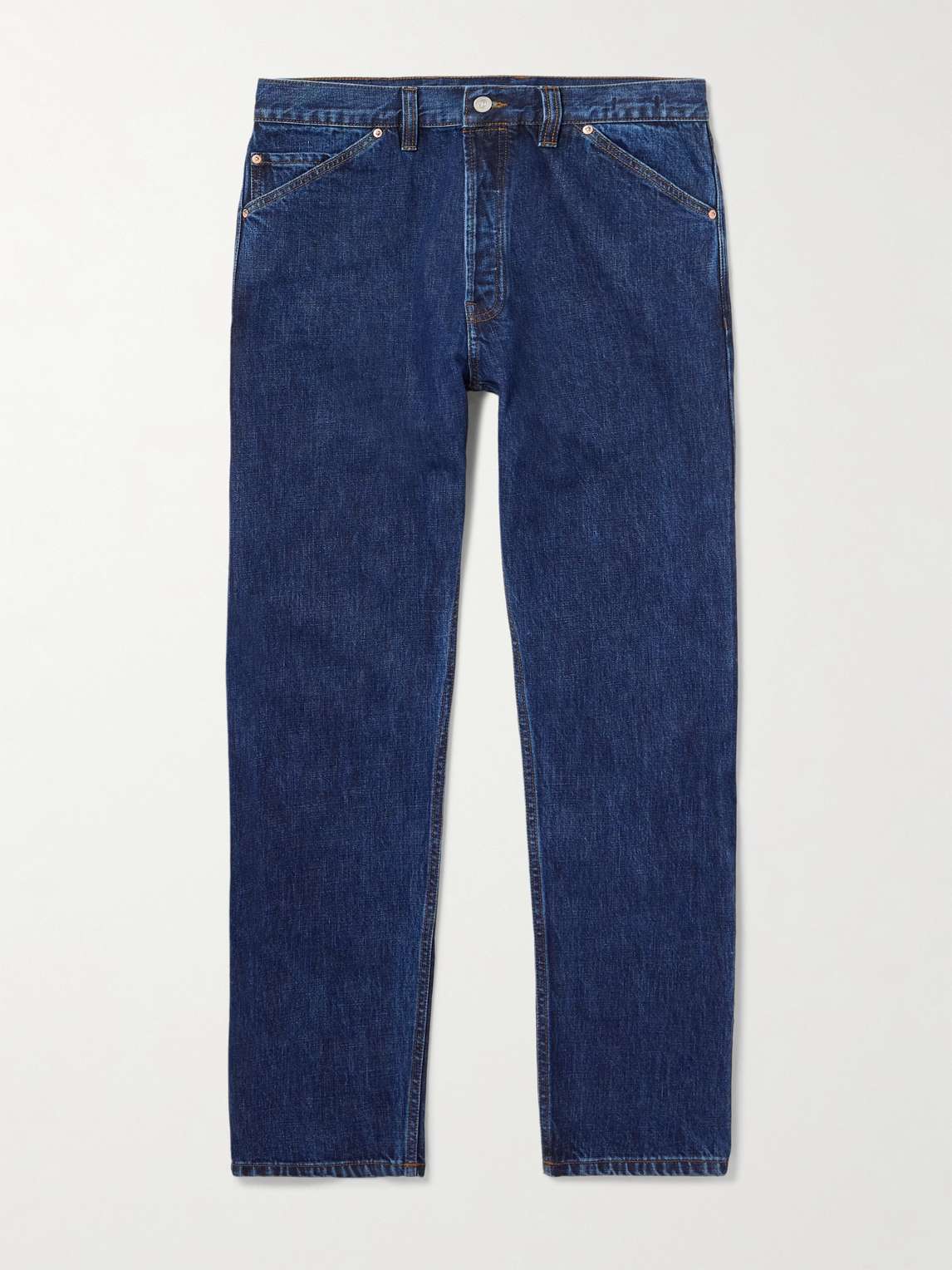
Japanese selvedge on a shuttle loom, natural indigo, straight through the leg. Period denim ran 14-16oz with a self-finished edge; this is the modern jean that behaves most like it.
Drake's
Plus Him Straight-Leg Selvedge Jeans
$270 $450
How the T-shirt stopped being underwear
Not because of Dean, and not because of Brando either, though A Streetcar Named Desire (1951) is where an American film first treats the T-shirt as outerwear. The commercial case was made much earlier: a 1938 Sears advertisement sold one for roughly 24 cents under the line “It's an undershirt, it's an outershirt.” The garment had been US Navy issue since around 1913.
What Dean added was an audience. “Teenager” entered common use in the 1940s, largely through American advertising. Eugene Gilbert's Youth Marketing Co. was thriving by 1947, generating the statistics that made the teen market look like a market. The teenage consumer was constructed before Dean arrived. He gave it a picture of itself.
Why copying it exactly goes wrong
1950s casualwear was cut fuller and much higher in the rise than almost anything sold today, with a straight leg often cuffed, and blouson jackets that sat short so the volume gathered above the belt. Dean's own jackets had to be taken in (darts, an added pleat) because off-the-rack 1950s cuts were fuller than his frame.
Buy a modern slim jean and a cropped jacket and you get the garments without the silhouette. The look depends on the relationship between a high waist, a straight leg and a short jacket: the eye reads a long leg and a compact torso. Get the rise wrong and it reads as fancy dress, which is the same trap waiting for anyone who buys a copy of the scorpion jacket from Drive: the garment arrives and the silhouette does not come with it.
| Piece | 1955 original | What to buy now | The thing that matters |
|---|---|---|---|
| Jacket | Red nylon blouson, short, elasticated waist | Leather or cotton blouson | Must end at the waistband, not below |
| T-shirt | Plain white cotton, no brand ever established | Heavyweight plain white crew | Opaque, holds its shape, no logo |
| Jeans | Lee 101 Rider, 14-16oz selvedge, high rise | Rigid straight-leg selvedge | Rise is the whole thing. Avoid low-rise |
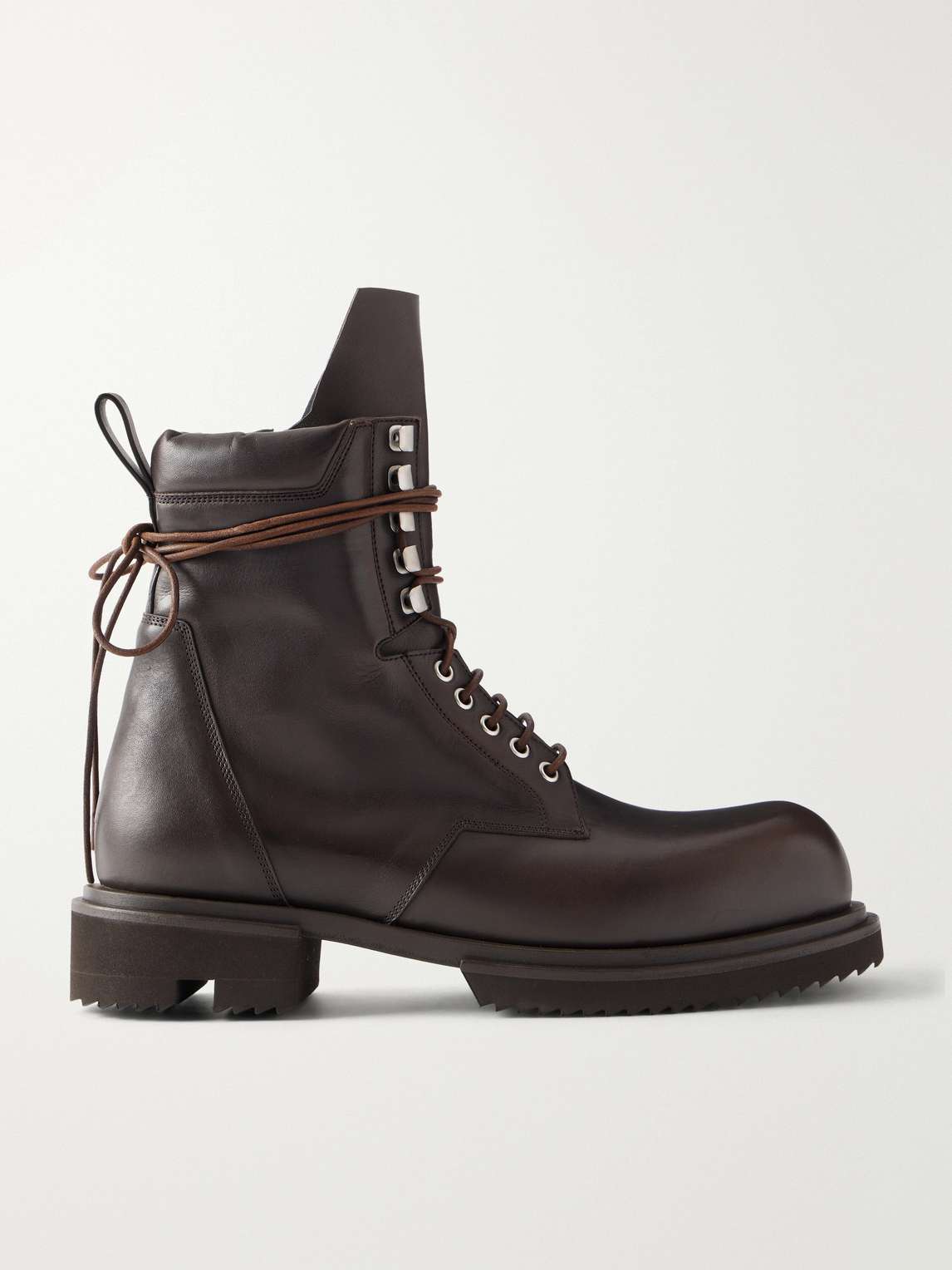
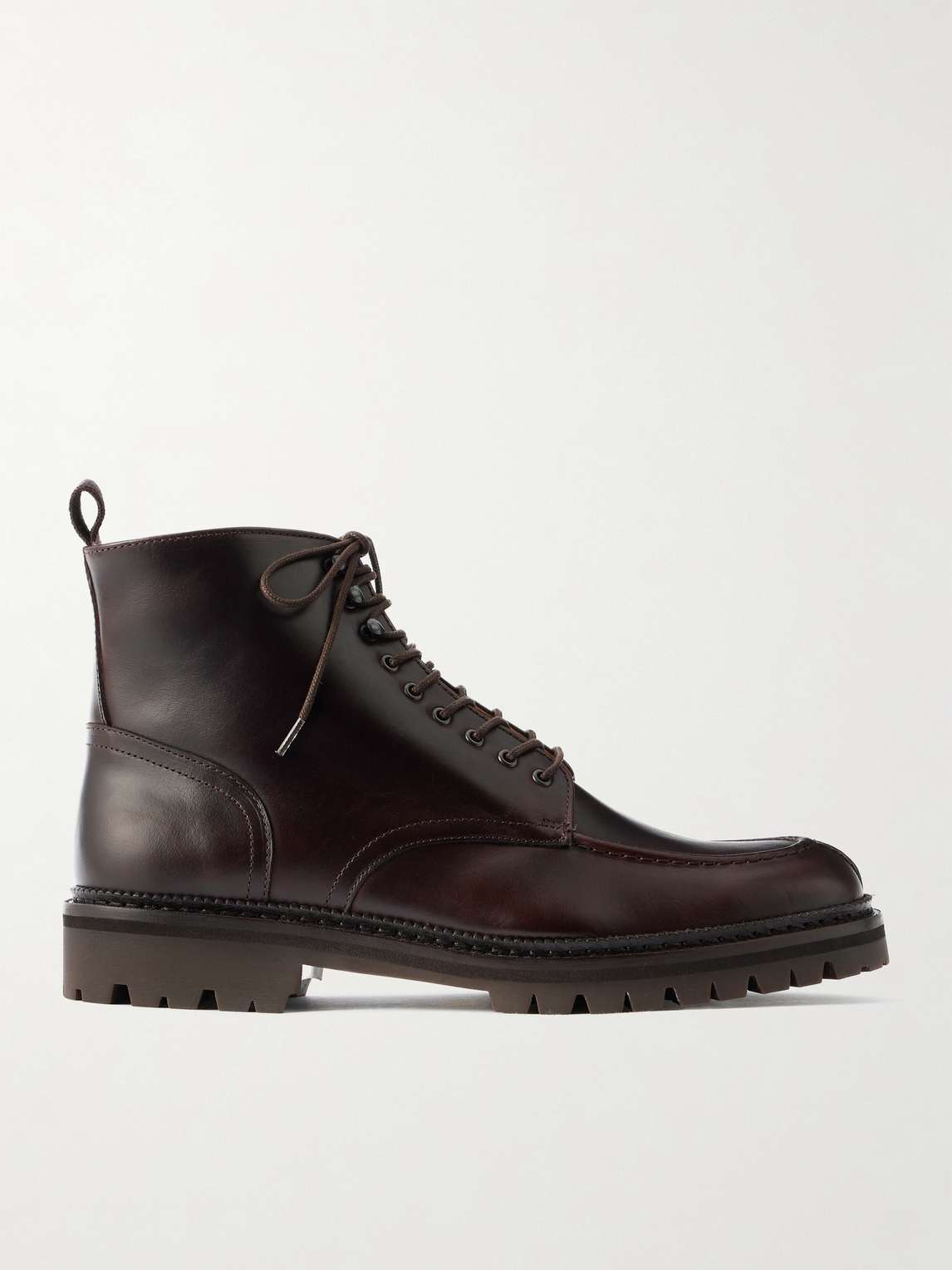
| Boots | Engineer / biker boot, round toe | Leather lace-up or Chelsea | Substantial enough to stop the leg line |
Three outfits, three films
Dean made three films, and each dresses him in a different language. East of Eden puts Cal Trask almost entirely in browns: knitwear over a collared shirt, period clothes worn with a 1955 sensibility and the shirt open to mid-chest. Rebel strips him to three primary-coloured garments. Giant ages him from ranch hand into a black tuxedo he cannot quite carry.
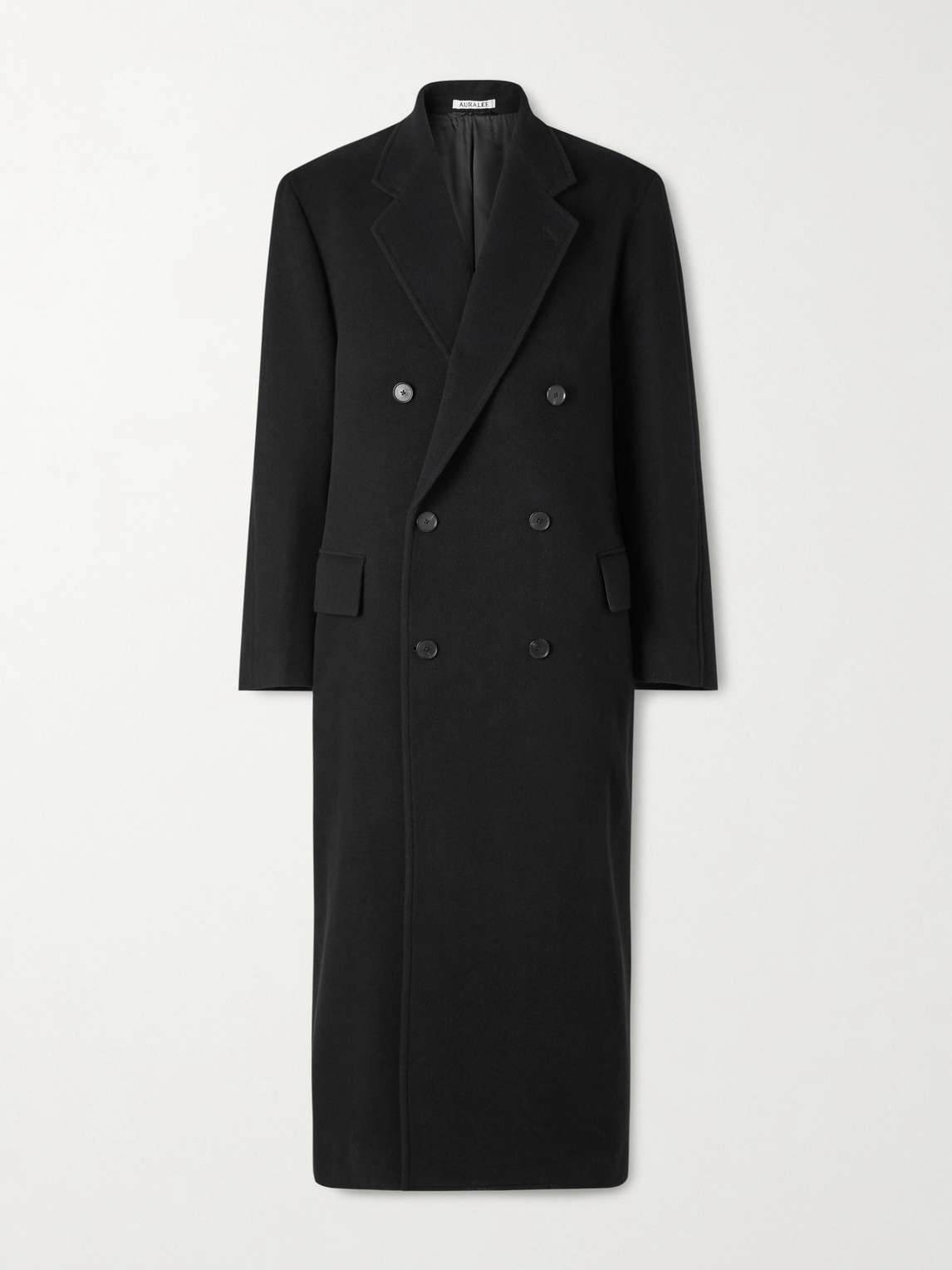
And the most reproduced photograph of the man who sold America the T-shirt shows him wearing none of it: Dennis Stock's 1955 image of Dean crossing Times Square has him in a long overcoat, collar up, covered from neck to knee. The icon and the photograph are not the same garment.
Each outfit rebuilt below from things currently in stock. The catalogue has no red nylon windbreaker, so the Rebel outfit substitutes leather rather than pretending otherwise.
The uniform
Rebel Without a Cause, 1955
Three garments and a boot. The jacket was nylon, not leather. The detail almost everyone misremembers, and the one that matters, because a cheap synthetic windbreaker is the whole point of the character.
The soft one
East of Eden, 1955
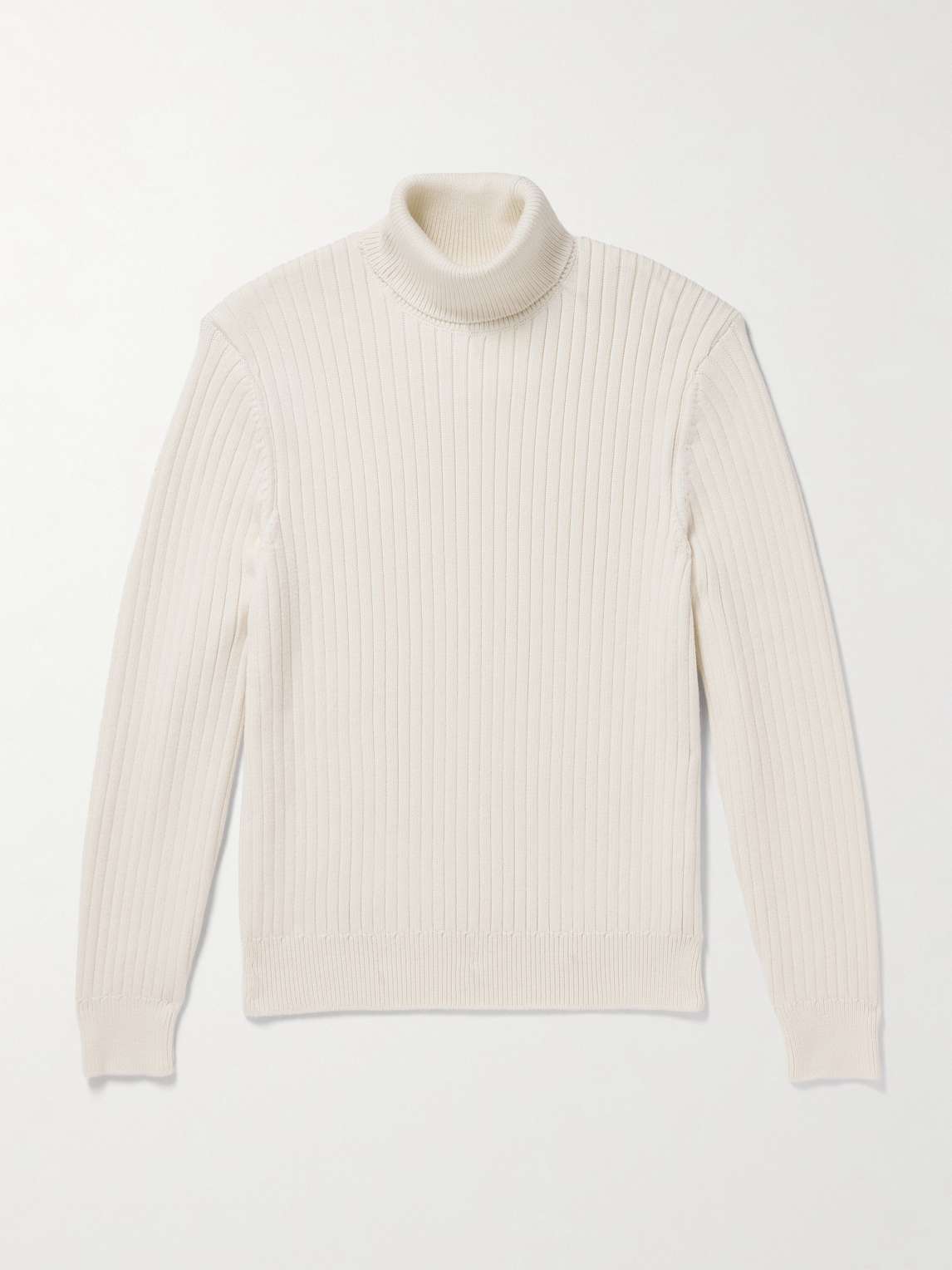
Cal Trask is dressed almost entirely in browns: knitwear over a collared shirt, soft and close. Anna Hill Johnstone put him in period clothes; Dean wore them like a man in 1955, shirt open to mid-chest.
Off screen
Times Square, in the rain
Dennis Stock’s 1955 photograph is the most reproduced image of the man who sold America the T-shirt, and he is covered head to foot in a long overcoat, collar up. The icon and the photograph are not the same garment.
- James Dean “Rebel Without a Cause” red jacket, Lot 333 · Palm Beach Modern Auctions
- Unsold: the red jacket fails to sell amid provenance questions · The Original Prop Blog
- Moss Mabry, 1918-2006 · Rebel Without a Cause
- Working Titles: Rebel Without a Cause · Heddels
- A brief history of Lee jeans · Heddels
- Rebel Without a Cause · Deep Focus Review
- T-shirts 101 · Victoria and Albert Museum
- James Dean photographed by Dennis Stock · Magnum Photos
- Roy Schatt: James Dean, from the Torn Sweater series · Holden Luntz Gallery
- How to identify vintage 1950s Levi’s 501 jeans · Long John